Zipper Lock App 2025: Reinventing Phone Security & Personalization
In 2025, the mobile app ecosystem has continued to push the boundaries of personalization and user experience. Among the creative innovations capturing attention is the Zipper Lock App — a category of lock-screen and personalization tools that transform the mundane act of unlocking a smartphone into an interactive, visually engaging experience. While many users prioritize security and efficiency, Zipper Lock apps combine aesthetics with functionality to give users a fresh take on phone security that’s both playful and practical.
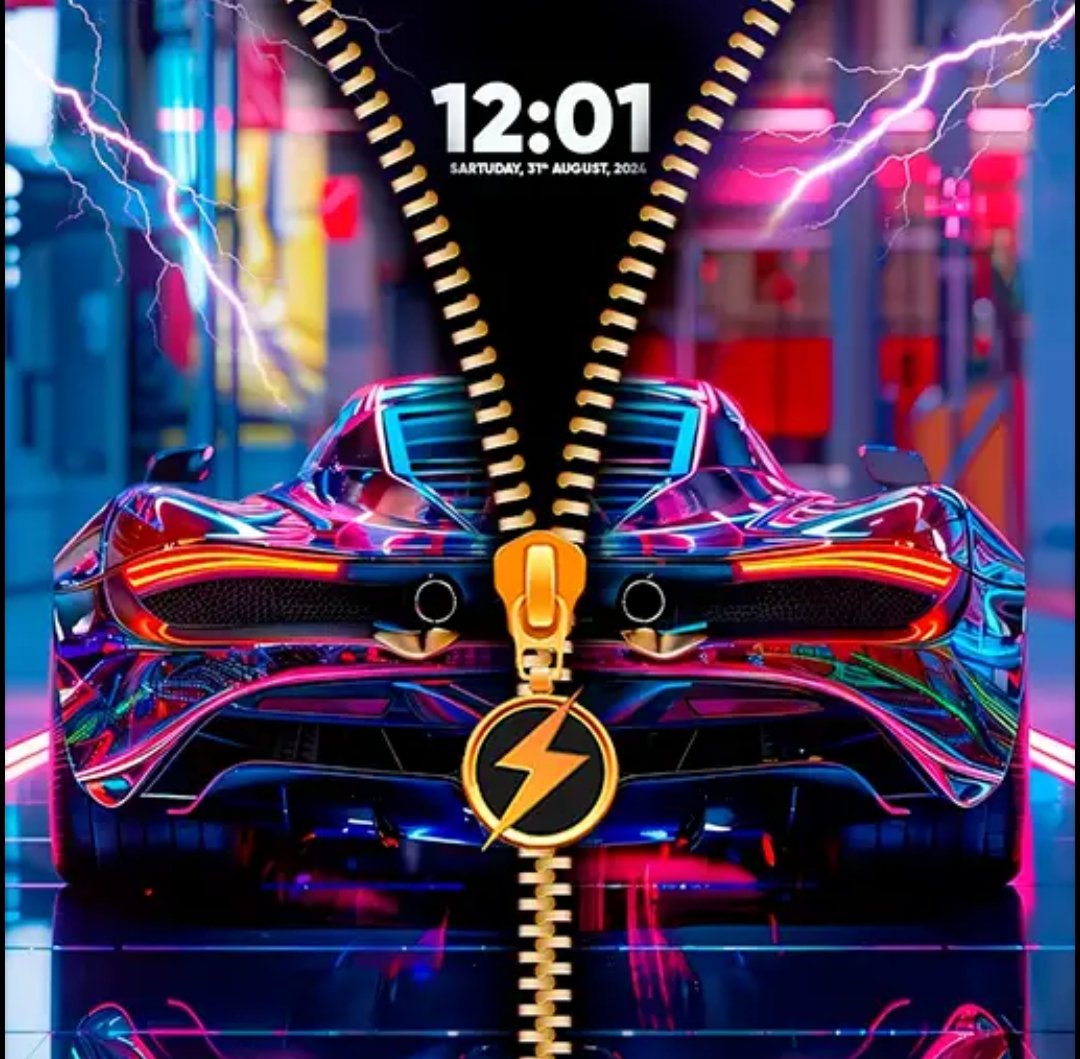
At its core, the Zipper Lock App replaces the conventional swipe or pattern unlock method with a realistic zipper graphic. Users simply “pull the zipper” to unlock their device — a small gesture that transforms an everyday task into something enjoyable. By 2025, these apps have grown in popularity across Android and iOS platforms, driven by high customization, whimsical design options, and compatibility with modern devices.
—
What Is the Zipper Lock App?
The Zipper Lock App is a mobile application designed to customize and secure your smartphone’s lock screen using a zipper animation effect. Instead of swiping up or entering a PIN/pattern in the usual way, the user visually pulls down or sideways on a zipper graphic to access the home screen or apps.
Different versions exist for both Android and iOS devices, each providing varying degrees of customization, security, and multimedia features:
Android Versions:
Some apps focus mainly on visual appeal and personalization, such as stylish wallpapers and themes with zipper animations.
Other Android zipper lock apps also integrate numeric passwords or pattern locks behind the zipper to enhance security.
iOS Versions:
Certain iPhone zipper lock apps not only offer wallpapers and zipper aesthetics but also allow users to attach PIN protection and launch apps directly from zipper widgets.
—
Key Features of Zipper Lock Apps (2025)
By 2025, Zipper Lock apps have expanded far beyond their original novelty appeal. Here are the most prominent features:
1. Customization & Themes
Users can choose from a wide range of themes — colorful, minimalist, playful, seasonal (like New Year themes), and animated zipper graphics. Many apps also provide HD and even 4K wallpapers to match the zipper aesthetic.
2. Interactive Animations
The defining trait of these apps is the realistic zipper movement on the screen. This interactive element is often supplemented with sound effects or melodies — adding a layer of sensory satisfaction and personalization.
3. Security Enhancements
While many zipper lock apps focus on style, security features have improved over time. Users can attach PIN codes, pattern locks, or passcodes behind the zipper so that pulling the zipper alone isn’t enough without authentication.
4. Widgets and Shortcuts
Some recent zipper lock apps on iOS allow users to set up widgets where tapping a zipper launches an app directly, with optional passcode checks — blending aesthetics with productivity.
5. Personalization Elements
Apps often include options to change zipper styles (e.g., modern metallic, fabric, neon, themed animations), colors, and even background elements like time, date, and additional info overlays.
—
Why Users Love Zipper Lock Apps
1. Aesthetic Customization
For users who want their device to reflect who they are, Zipper Lock apps offer a fun alternative to stock lock screens. By 2025, personalization remains a major trend in mobile UX design — and zipper locks tap into that culture.
2. Unique Unlock Experience
Instead of a plain swipe or entering a code, zipper animations provide novelty and delight, turning a routine into something enjoyable. This psychological whimsy is especially appealing to younger demographics and creative users.
3. Bridging Fun & Function
Unlike purely decorative apps, modern zipper lock apps have begun integrating security features (like PINs and passcodes) so users don’t have to compromise security for style.
—
Comparing Zipper Lock Apps to Traditional Security Methods
While zipper lock apps are gaining popularity, it’s critical to see how they stack up against traditional lock mechanisms:
Standard Locks (PIN, Pattern, Biometric):
Strength: Generally more secure, especially when using biometrics.
Weakness: Less customizable and more routine.
Zipper Lock Apps:
Strength: Highly visual and engaging; adds personalization and fun.
Weakness: On their own, zipper interactions usually need additional authentication (PIN, pattern) to be truly secure.
In essence, while zipper lock apps offer a fresh user experience, they are most effective when paired with robust security features — particularly as smartphones hold more personal data than ever.
—
Security Considerations (Important in 2025)
As the zipper lock phenomenon grows, so does scrutiny around security:
1. Layered Security Is Essential
A zipper graphic should not be the only security layer. Users need PINs, patterns, or biometric verification to prevent unauthorized access — especially in contexts where lock screens are used as a primary defense.
2. Beware of Low-Quality Apps
Not all zipper lock apps are created equal. Some versions available on third-party sites or lesser-known sources may have bugs, intrusive ads, or potential privacy concerns. It’s always best to download from reputable stores like Google Play or the Apple App Store.
3. Compatibility and Permissions
Some zipper lock apps require permissions that could affect performance (e.g., foreground services, accessibility services, or overlay permissions). Users should understand what they grant and why.
4. Malware Dangers
While the zipper lock category itself is largely benign, the 2025 mobile landscape does include genuine mobile security threats (like ransomware disguising as lock screens). Users should stay vigilant and install security tools or antivirus software when necessary.
—
Popularity & Use Cases Across Devices
Android
Android’s flexibility allows a broader range of zipper lock customizations and third-party launchers. Developers have experimented with varied animations and behind-the-scene code to bring more personalization options than most stock OEM lock screens.
Download
iOS
iOS zipper lock apps are more constrained due to Apple’s stricter API access. However, recent zipper lock tools on iOS include widgets and direct app launchers, blending Apple ecosystem stability with fun UI elements.
—
User Feedback & Reviews
Across platforms, user feedback often rotates around a few common themes:
Positive:
Excellent visual appeal and distinctive interface.
Easy to set up and personalize.
Fun to use and share with friends.
Negative:
Occasional performance issues on lower-end devices.
Sometimes ads or in-app purchases detract from the experience.
Without strong authentication, some users feel zipper locks are “show over substance.”
Many users advocate for combining zipper locks with native OS security to ensure both style and safety.
—
Future Trends for Zipper Lock & Lock-Screen Apps
The future of zipper lock apps intersects with broader themes in mobile UX and security:
1. Smart Lock Integration
Lock screens — zipper-based or otherwise — could increasingly work with contextual smart locks that rely on user habits, location, or proximity devices to make unlocking seamless yet secure.
2. AR and Haptic Feedback
High-end devices may introduce augmented reality (AR) zipper effects or advanced haptic feedback that simulates texture and resistance — elevating the interaction beyond visuals alone.
3. Ecosystem Partnerships
Lock screens might evolve with partnerships between app developers and OEMs to provide native zipper lock experiences that don’t compromise battery or performance.
4. Security AI Enhancements
Machine learning could personalize lock behavior — adjusting the level of authentication required based on user behavior, threat likelihood, or environment.
Download
—
Should You Use a Zipper Lock App in 2025?
At the end of the day, Zipper Lock apps are a delightful fusion of art and functionality. They offer:
A refreshing take on the lock-screen.
Incredible customization options.
A playful way to engage with your device.
However, they are not replacements for strong security. Users should treat zipper interactions as part of a layered security strategy rather than a standalone lock method.
For many, Zipper Lock apps in 2025 represent self-expression, allowing personalization that reflects a user’s tastes far beyond stock lock screens. For others, they are light-hearted addons that make everyday phone interactions a bit more enjoyable. When used wisely and securely, zipper lock apps can add charm without compromising safety — a trend that likely won’t go away anytime soon.