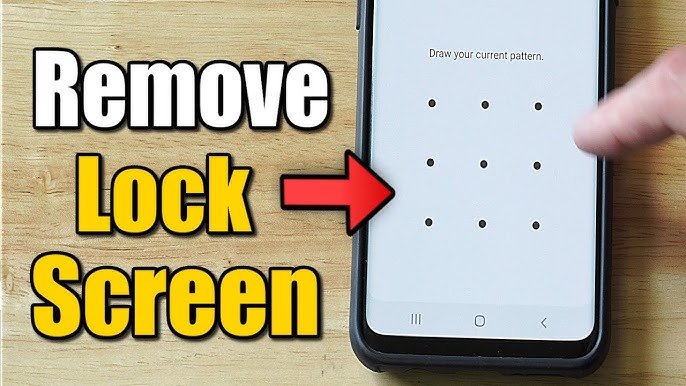
Remove Password from Mobile Screen Lock – Complete Guide (Android & iPhone)
In today’s digital world, smartphones store our personal photos, videos, banking apps, social media accounts, and important documents. To protect this data, we use screen locks such as PIN, password, pattern, fingerprint, or Face ID. However, sometimes users want to remove the password from their mobile screen lock. Maybe they feel the lock is inconvenient, they are using the phone at home, or they simply prefer faster access.
In this detailed article, we will explain how to remove password from mobile screen lock on both Android and iPhone devices, the advantages and disadvantages, security risks, and important safety tips.
Why People Want to Remove Screen Lock Password
There are many reasons why users decide to remove their mobile screen lock:
- They forget their password frequently.
- The phone is used only at home.
- The fingerprint or face unlock is not working properly.
- They want quicker access to their phone.
- The device is old and slow due to security features.
While removing a password may seem convenient, it is important to understand the risks involved.
When Is It Okay to Remove Password?
In some limited cases, removing password may be acceptable:
- The phone is used only as a secondary device.
- The phone has no personal data.
- The device is for children’s entertainment.
- The phone stays permanently at home.
Still, adding at least fingerprint security is recommended.
Tips Before Removing Screen Lock
Before you disable your password:
- Backup important data.
- Remove banking apps if not needed.
- Enable remote tracking (Find My Device or Find My iPhone).
- Inform family members about your decision.
- Consider enabling biometric unlock instead.
How to Re-Enable Screen Lock Later
If you change your mind, you can easily add a password again:
For Android:
- Go to Settings > Security > Screen Lock.
- Choose PIN, Pattern, or Password.
For iPhone:
- Go to Settings > Face ID & Passcode.
- Tap Turn Passcode On.
It only takes a few minutes to restore security.
App Link
Common Problems After Removing Screen Lock
Some users report:
- Certain apps refusing to open (banking apps require screen lock).
- Google Pay or Apple Pay not working.
- Email accounts asking for verification.
- Work profile restrictions.
This happens because many apps require device-level security.
Final Thoughts
Removing password from mobile screen lock is easy on both Android and iPhone devices. However, while it may improve convenience, it significantly reduces security. Smartphones today contain sensitive information, and protecting that data should be a priority.
Instead of completely removing your screen lock, consider using fingerprint, face unlock, or Smart Lock features. These options provide fast access while keeping your data safe. Always think carefully before disabling your phone’s security. A few seconds saved by removing a password could lead to serious privacy and financial problems later.
Extra Safety Advice Before Removing Screen Lock
Before you permanently remove your mobile screen lock, it is important to understand the long-term impact on your digital security. In countries like Pakistan, where mobile phones are often used for online banking, Easypaisa, JazzCash, and social media management, removing your password can create serious risks if your device is lost or stolen.
Many modern Android phones from brands like Samsung and Xiaomi automatically encrypt your data when a screen lock is enabled. If you remove the password, encryption protection may be weakened, making your files more vulnerable. Similarly, iPhones from Apple rely heavily on passcodes to protect stored data and enable advanced security features.
Another important point is that certain apps—especially banking and payment apps—may stop working if there is no screen lock set. This is because they require a secure device environment to operate properly.