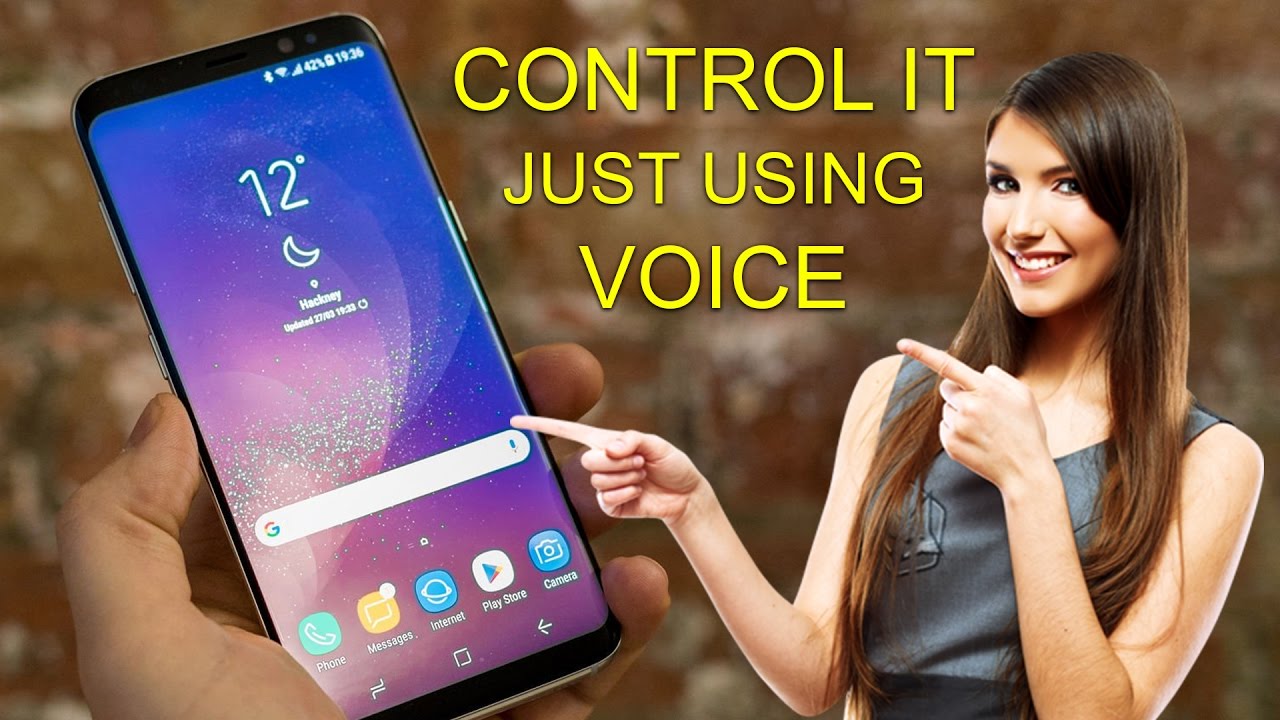
Control Android Mobile from Voice New App
Voice control technology has transformed the way people interact with their smartphones. Instead of tapping and swiping on the screen, users can now perform many tasks simply by speaking commands. Android devices come with powerful voice control features that make daily activities easier, faster, and more convenient. Whether you want to send messages, make calls, open apps, or search the internet, voice commands can help you do it hands-free.
What Is Android Voice Control?
One of the most popular voice control tools on Android is the . This virtual assistant allows users to control various functions of their phones using natural language. By saying “Hey Google” or pressing the assistant button, users can activate Google Assistant and give commands. For example, you can say, “Call Mom,” “Send a text message,” or “Set an alarm for 7 AM.” The assistant quickly understands the request and performs the action.
Benefits of Using Voice Commands
Voice control is especially useful while driving, cooking, exercising, or performing other activities where using your hands is difficult. Instead of stopping what you are doing, you can simply speak a command and let your phone handle the task. This improves convenience and can also enhance safety, particularly when driving.
Voice Control for Communication
Android voice control can be used for communication purposes. Users can make phone calls, send SMS messages, or even reply to messages on supported apps. For example, you can say, “Send a WhatsApp message to Ahmed,” followed by the message you want to send. The phone will prepare and send the message without requiring manual typing.
Voice Navigation and Location Services
Another important feature is voice-based navigation. By using voice commands, users can ask for directions, locate nearby places, or check traffic conditions. Simply saying, “Navigate to the nearest hospital” or “Show me restaurants nearby” allows the phone to open maps and provide directions instantly. This feature is widely used by travelers and drivers.
Managing Tasks and Reminders
Voice control also helps users manage their schedules. You can create reminders, calendar events, alarms, and timers with simple spoken commands. For instance, saying “Remind me to attend the meeting at 3 PM” will create a reminder that alerts you at the appropriate time. This makes time management more efficient and reduces the chance of forgetting important tasks.
Accessibility Benefits
Accessibility is another major advantage of voice-controlled Android devices. People with visual impairments, physical disabilities, or mobility limitations can use their smartphones more independently. Android includes voice accessibility features that enable users to navigate the entire device through spoken commands. They can open apps, scroll through pages, tap buttons, and even edit text using their voice.
Improving Productivity
Voice control can also improve productivity. Users can open applications, search the web, play music, check the weather, and control smart home devices without touching their phones. Commands such as “Open YouTube,” “Play relaxing music,” or “Turn off the living room lights” make daily tasks quicker and more efficient.
App Link
Limitations of Voice Control
Despite its many benefits, voice control does have some limitations. Background noise can affect accuracy, and some commands may not be recognized correctly. Internet connectivity may also be required for certain advanced voice features. However, improvements in artificial intelligence and speech recognition continue to make voice assistants more accurate and reliable.
Future of Voice-Controlled Android Devices
As artificial intelligence continues to advance, voice assistants are becoming smarter and more capable. Future Android devices are expected to offer even more accurate speech recognition, personalized responses, and deeper integration with apps and smart devices.
Conclusion
Controlling an Android mobile phone through voice commands offers a convenient, fast, and hands-free way to interact with technology. With tools like Google Assistant, users can perform a wide range of tasks, improve productivity, and enhance accessibility. As voice recognition technology continues to evolve, voice-controlled smartphones will become an even more important part of everyday life.