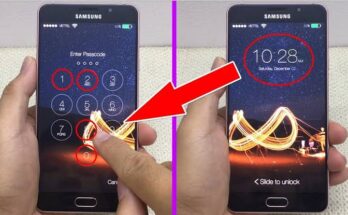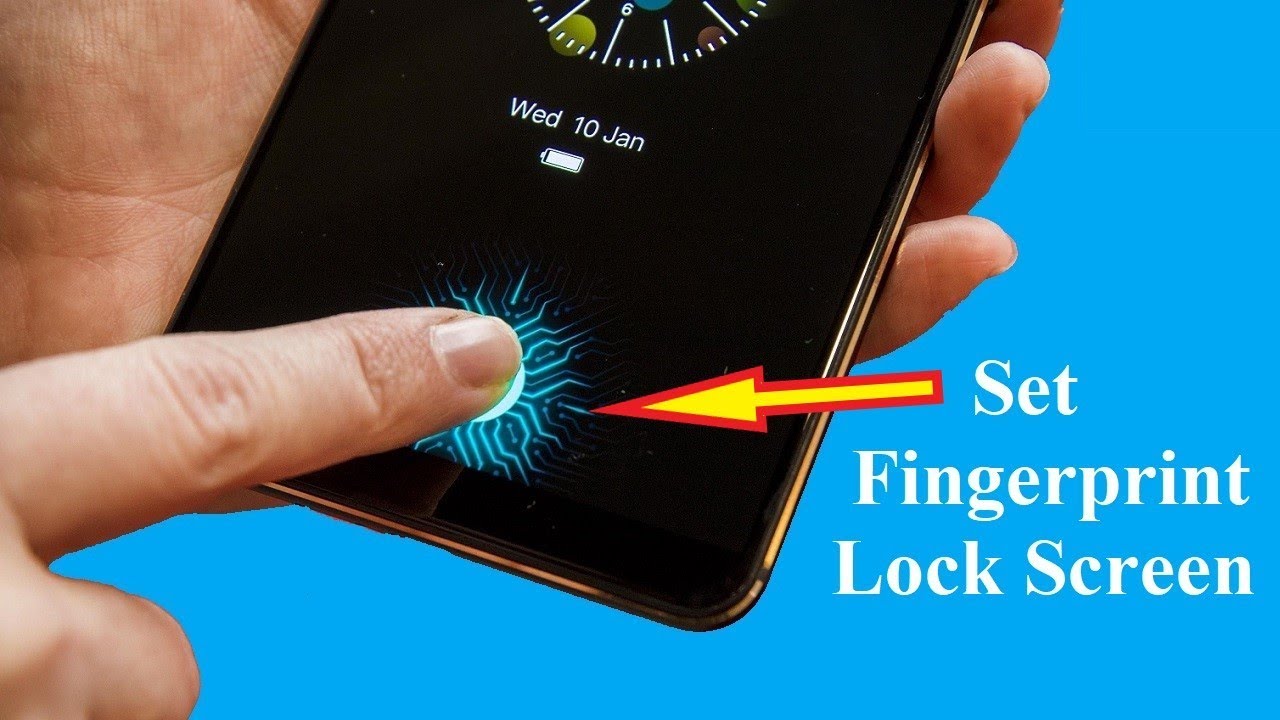
Add Display Fingerprint Screen Lock: A Modern Way to Secure Your Smartphone
Smartphone security has become more important than ever because our phones contain personal photos, messages, contacts, banking apps, social media accounts, and other private information. One of the most convenient ways to protect this information is a fingerprint screen lock. With modern smartphones, users can use an in-display fingerprint sensor to unlock their devices quickly and securely. The feature combines convenience with an attractive and modern unlocking experience.
What Is a Display Fingerprint Screen Lock?
A display fingerprint screen lock is a security feature that allows you to unlock your smartphone by placing your registered finger on a specific area of the screen. Instead of using a traditional fingerprint button on the front, back, or side of the phone, compatible devices have a fingerprint sensor integrated beneath the display.
When you touch the fingerprint area, the sensor scans your fingerprint and compares it with the fingerprint data stored on the device. If the fingerprint matches, the phone unlocks within seconds.
How Does It Work?
Display fingerprint technology generally uses an optical or ultrasonic sensor. Optical fingerprint sensors use light to capture an image of the fingerprint, while ultrasonic sensors use sound waves to recognize the unique patterns of your finger.
During setup, the phone asks you to place your finger on the sensor several times. This allows the device to create a fingerprint profile. After registration, you can simply touch the fingerprint area whenever you want to unlock the screen.
How to Add a Fingerprint Screen Lock
Adding a fingerprint lock is usually simple. Open your phone’s Settings and look for options such as Security, Biometrics, Fingerprint, or Lock Screen. Select the fingerprint option and create a PIN, password, or pattern if required.
Next, follow the instructions displayed on the screen. Place your finger over the fingerprint sensor repeatedly and slightly change its position when requested. Once the registration is complete, save the fingerprint and test the lock.
For better recognition, you can register the same finger more than once if your phone supports multiple fingerprint profiles.
Benefits of Display Fingerprint Lock
The biggest advantage is convenience. You do not need to remember a long password every time you unlock your phone. A simple touch can provide quick access.
Fingerprint authentication can also provide strong protection because fingerprints are unique. It can be particularly useful for people who frequently use their phones in public places.
Another advantage is the clean appearance. Because the sensor is hidden beneath the display, manufacturers can create smartphones with fewer physical buttons and a more modern design.
Improve Fingerprint Recognition
For the best experience, keep your display and finger clean and dry. Register your fingerprint carefully and cover different parts of your fingertip during setup. If the fingerprint sensor frequently fails, remove the saved fingerprint and register it again.
App Link
It is also important to keep your phone’s software updated because manufacturers sometimes improve biometric performance through system updates.
Final Thoughts
Adding a display fingerprint screen lock is an excellent way to improve smartphone security while keeping the unlocking process fast and convenient. If your device supports an in-display fingerprint sensor, setting it up takes only a few minutes. Combined with a strong PIN or password as a backup, fingerprint authentication can provide a practical layer of protection for your personal data.